Introduction
Cloud computing is becoming very important in biomedicine because modern biological research produces huge amounts of data. Genomics, transcriptomics, and other biomedical fields often require powerful computers and specialised software. For many researchers, installing and maintaining these tools locally can be difficult.
For this blog post, I explored Galaxy, a web-based cloud application designed for biomedical data analysis.
What is Galaxy?
Galaxy is an open-source, web-based platform that allows scientists to analyse biomedical datasets directly through a browser. It is especially useful in genomics and bioinformatics because users can build workflows, run tools, visualise results, and share analyses without needing advanced programming skills.
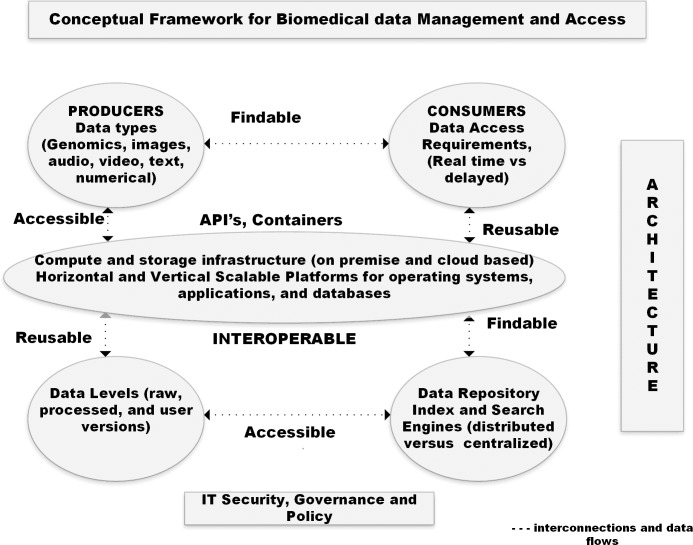
Figure 1: Example of the Galaxy platform interface and workflow.
Why is it useful in biomedicine?
Galaxy is useful because biomedical data can be very large and complex. For example, analysing DNA sequencing data may require several steps, such as quality control, alignment, filtering, and visualisation.
Galaxy helps by:
- providing access to bioinformatics tools through a browser
- allowing researchers to create reproducible workflows
- reducing the need to install software locally
- supporting collaboration between researchers
- making computational biology more accessible to non-programmers
Cloud computing advantages
The main advantage of a cloud-based biomedical platform is scalability. Researchers can work with large datasets without needing to own expensive local infrastructure. This is very important in biomedical research, where datasets can grow quickly.
Galaxy also supports reproducibility. A researcher can save an analysis workflow and share it with others, making it easier to repeat or verify scientific results.
Limitations and challenges
Even though Galaxy is powerful, there are some challenges. Biomedical data can include sensitive patient information, so privacy and security are important. Another limitation is that users still need to understand the biological meaning of the results. A cloud tool can process data, but scientific interpretation is still the responsibility of the researcher.
Conclusion
Galaxy is a strong example of how cloud applications can support modern biomedicine. It makes complex bioinformatics tools easier to access and helps researchers analyse, share, and reproduce biomedical workflows. Platforms like Galaxy reduce technical barriers and allow more scientists to work with large biomedical datasets.
References
Afgan, E., Baker, D., Batut, B., van den Beek, M., Bouvier, D., Čech, M., Chilton, J., Clements, D., Coraor, N., Grüning, B. A., Guerler, A., Hillman-Jackson, J., Hiltemann, S., Jalili, V., Rasche, H., Soranzo, N., Goecks, J., Taylor, J., Nekrutenko, A., & Blankenberg, D. (2018). The Galaxy platform for accessible, reproducible and collaborative biomedical analyses: 2018 update. Nucleic Acids Research, 46(W1), W537–W544. https://doi.org/10.1093/nar/gky379date*. Nucleic Acids Research, 46(W1), W537–W544. https://doi.org/10.1093/nar/gky379